Logging into your TP-Link router admin panel is the first step to manage Wi-Fi networks, adjust settings, check connected devices and fix network issues. TP-Link provides two common access methods: the official domain tplinkwifi.net and the classic default IP address 192.168.1.1. This step-by-step guide will walk you through both login ways, solve common login errors, and share useful tips for beginners. It works for all mainstream TP-Link home routers, Archer series and dual-band Wi-Fi devices.
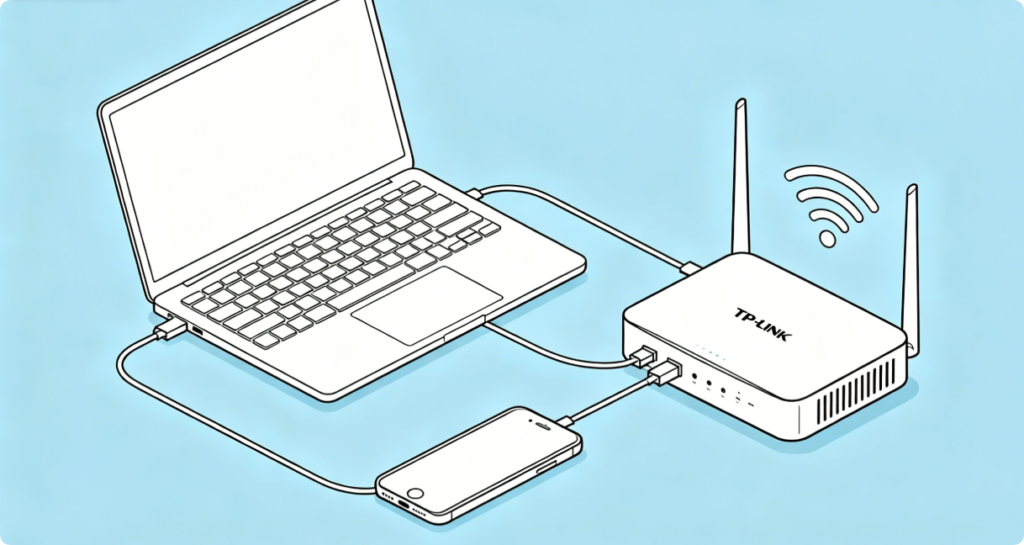
Before trying to log in, you must connect your device to the TP-Link router’s local network. You can use a laptop, desktop, tablet or mobile phone. There are two connection options: wireless Wi-Fi connection or wired Ethernet connection. A wired connection is more stable and less likely to cause login failures. Locate the default Wi-Fi name on the router label and connect your device to it. Remember, you cannot access the admin page through an external internet network.
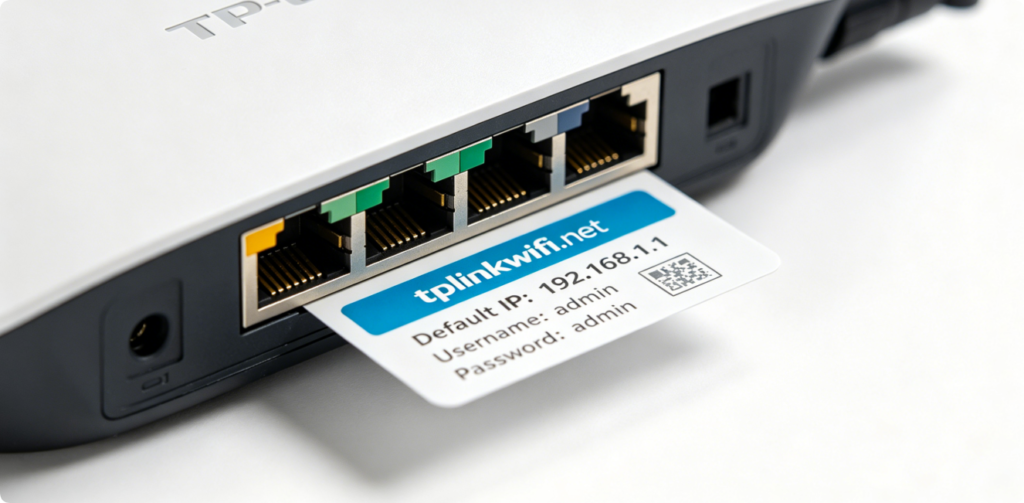
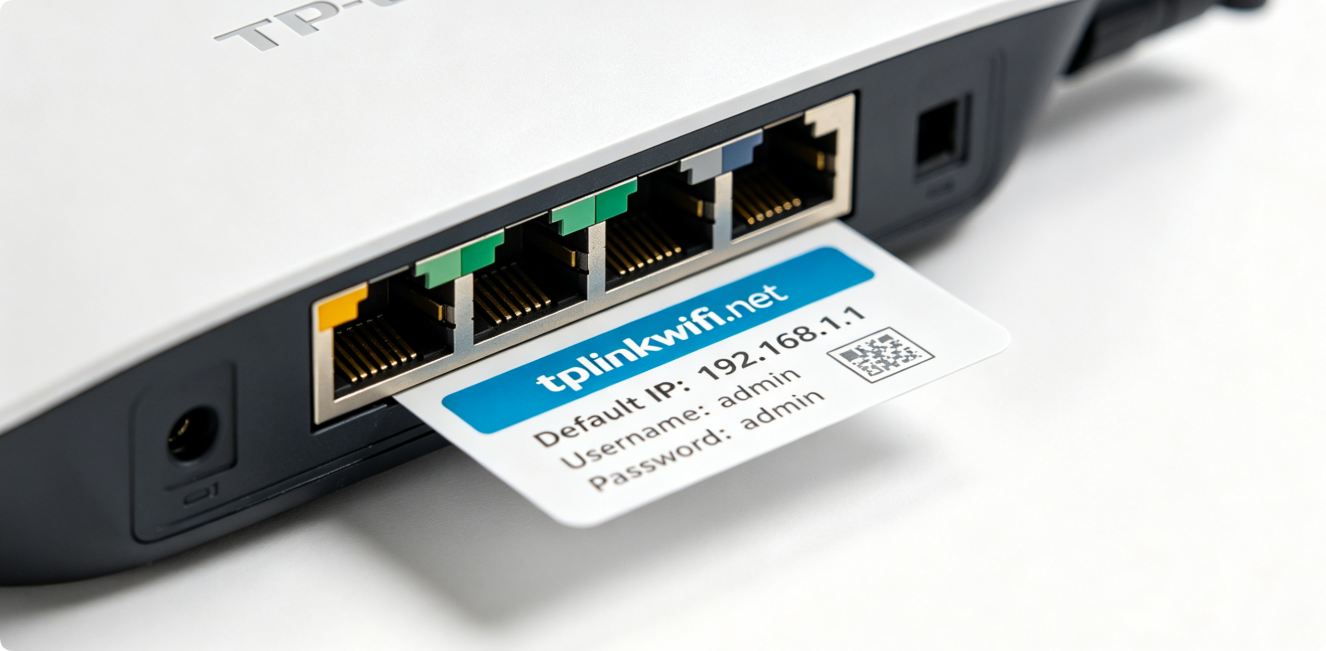
Find the information label on the bottom or back of your TP-Link router. All factory login details are printed here, including the official web address tplinkwifi.net, default gateway IP 192.168.1.1, admin username and password. Keep this label in sight during operation. If you have modified login credentials before, please use your custom account instead of the default data on the sticker.
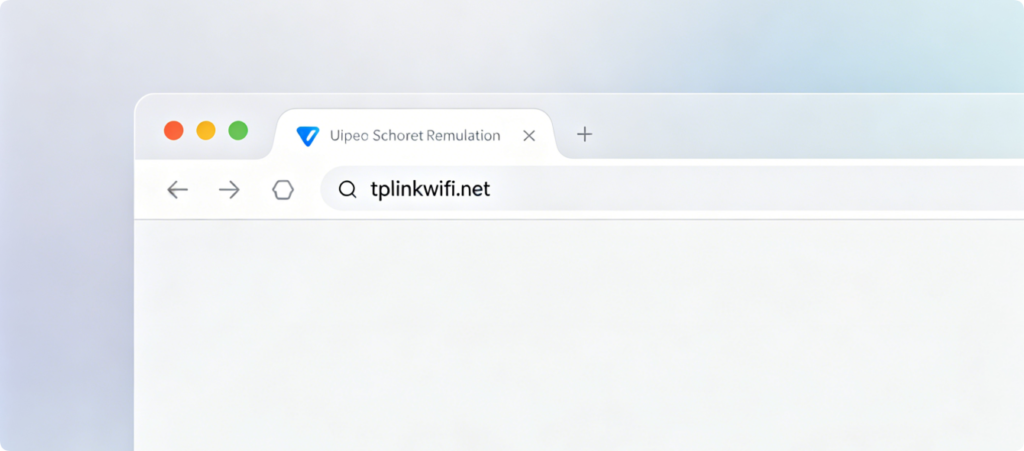
Open any mainstream web browser on your connected device, such as Chrome, Firefox, Edge or Safari. Do not use the search box. Directly input tplinkwifi.net into the top address bar and press the Enter key. This official domain is recommended by TP-Link, which can automatically match your router and jump to the official login page without manually confirming the IP address.

If tplinkwifi.net fails to load, you can switch to use the default IP address. In the browser address bar, type 192.168.1.1 and hit Enter. This IP is the most widely used gateway for TP-Link routers. A small number of old models use 192.168.0.1. You can check the router label to confirm the correct IP when the first one does not work.
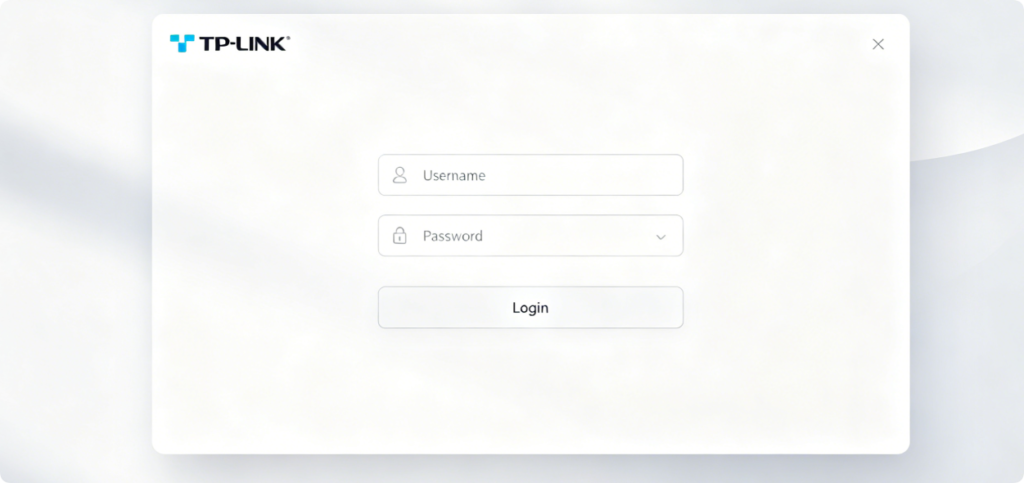
After loading the page successfully, you will see the TP-Link router admin login interface. Enter the default username and password printed on the router label into the corresponding input fields. Many new TP-Link router models adopt unique random passwords instead of the universal “admin”. Double-check the spelling to avoid login rejection caused by typos.
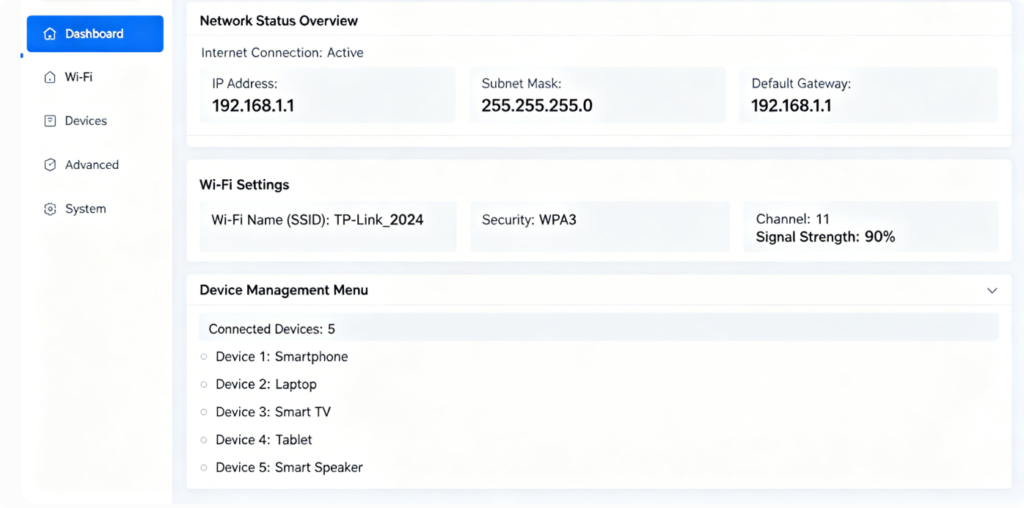
AI Prompt: Screenshot mockup of TP-Link router main dashboard, network status overview, Wi-Fi settings, device management menu, complete admin panel layout, clean light-colored interface, technical system UI design
Click the login button, and you will enter the router main dashboard. Here you can view real-time network status, change Wi-Fi name and password, manage all connected devices, set parental controls, adjust network speed and upgrade router firmware. All core network management functions are available on this panel.
Sometimes you may meet login problems such as page not opening or password errors. First, recheck if your device is connected to the correct router network. Second, clear browser cache or switch another browser to try again. If you forgot your custom login password, press and hold the reset button on the router for 10 seconds to restore factory settings, which will recover all default login information.
For network security, it is strongly advised to change the default admin login password after your first login. Public default credentials may lead to unauthorized access and network theft. Regularly update your router password and firmware to maintain a safe and stable home network environment.
Conclusion
Logging into a TP-Link router via tplinkwifi.net or 192.168.1.1 is easy for every user. The official domain is more convenient for new devices, while the default IP works well for old router models. As long as you follow the above steps and prepare the correct login information, you can access the admin panel smoothly. Mastering this basic operation helps you better control and optimize your home wireless network.